






The Ultimate Checklist for Renting a Photo Studio in North Hollywood
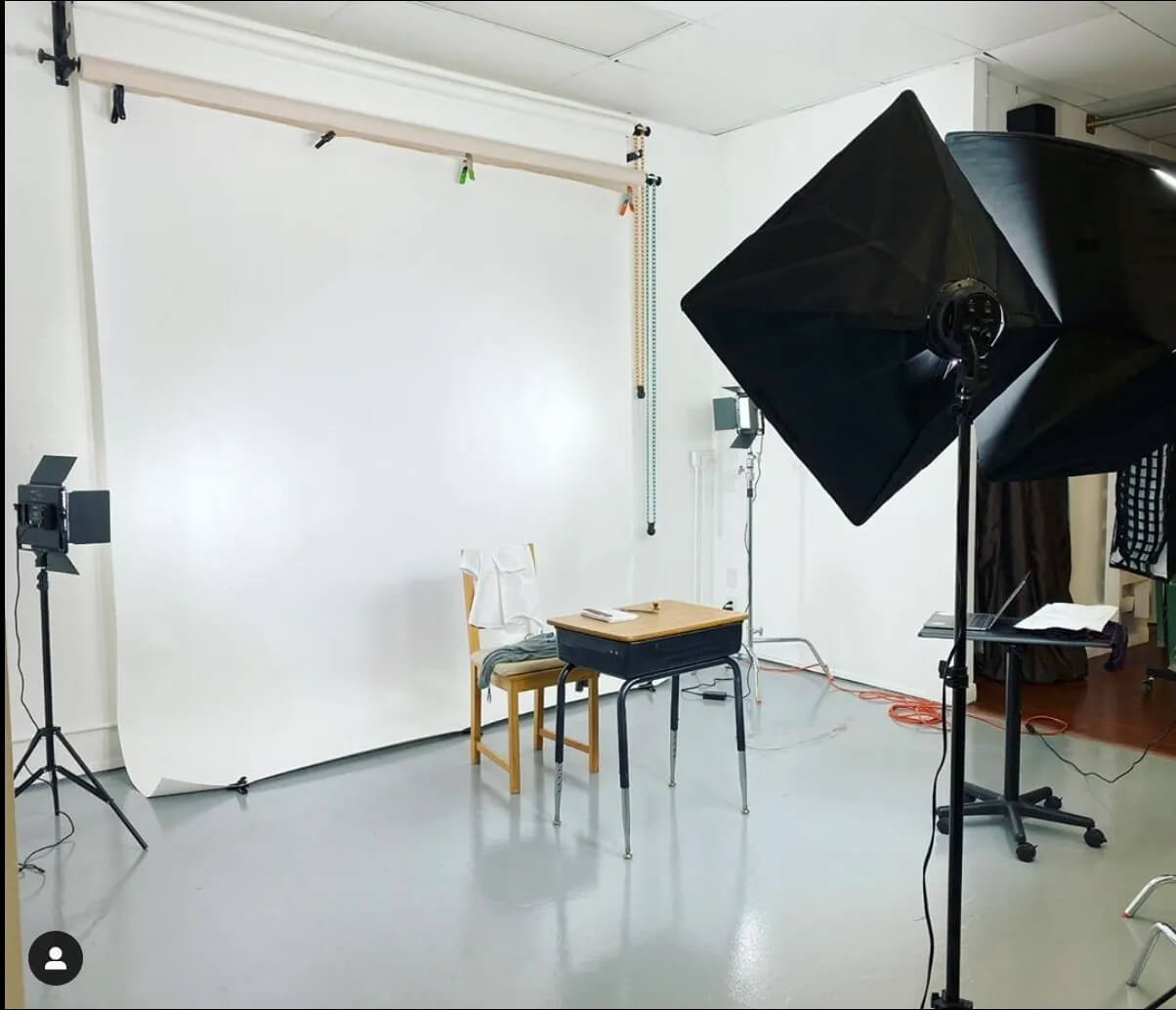
There’s a specific kind of anxiety that shows up right after you book a studio. Not before — that part feels optimistic. After. When you start wondering if the place will actually look like the photos. If the ceiling is really that high. If ample parking means two spots and a hopeful attitude.
We’ve been shooting in Los Angeles long enough to develop a mild skepticism toward studio listings. Not aggressive — just measured. Instagram shows one version. Reality occasionally edits it.
So if you’re looking for a good photo studio rental North Hollywood can offer — and let’s be honest, NoHo photo studio has options, some excellent, some confusing — this is the checklist. Not theoretical. Practical. Slightly opinionated. Because small details in a studio either support your shoot or quietly sabotage it.
And sabotage, in photography, is rarely loud. It’s subtle. Like bad lighting you can’t quite fix.
Technical Specs: What the Pro Photographers Check First
A studio can look wonderful and still be completely impractical. Happens all the time. The visuals are one thing. The structure — that’s where decisions are made.
The most common mistake is booking based on photos alone. Visuals matter, but they don’t tell the whole story. Then there’s underestimating space requirements. A studio that looks large online can feel very different once lights, stands, and people are inside.
Power gets overlooked. Amenities get assumed. Timing gets compressed. And suddenly, the shoot becomes about adapting to the space instead of using it.
Ceiling Height
If the ceiling is low, everything feels compressed. Light has nowhere to go. Shadows behave strangely. You start adjusting your setup not because you want to, but because you have to.
Twelve feet is the baseline. More is better. Always.
High ceilings give you space to shape light properly. To separate subject from background. To breathe, visually. Especially if you’re shooting fashion, portraits, anything with movement.
Wide-angle lenses start creeping in when space gets tight. That’s not always a creative choice. Sometimes it’s survival.
The Cyclorama Wall: Achieving That Infinite Look
This is one of those features that sounds optional until you use it.
It creates that seamless, infinite background. No corners, no lines. Just a smooth transition that makes post-production easier and compositions cleaner.
But not all cyclorama walls are equal. Some are large enough to move around freely. Others not so much. You want space to step back, to reposition, to adjust angles without immediately hitting a boundary.
Also check the condition. Scuffs, marks, uneven paint — these things show up. Especially under strong lighting.
Beyond the Camera: Essential Amenities
People underestimate how much the non-technical parts of a studio affect the shoot.
Comfort, access, small conveniences — they add up.
Parking & Accessibility
Parking in Los Angeles is its own category of stress. NoHo, fortunately, tends to handle this better than most areas.
But available parking can mean different things.
Is it on-site? Street? Limited? Timed? These details matter when you’re unloading gear, coordinating a team, or running slightly behind schedule — which happens, by the way, even when everything is planned perfectly.
Accessibility matters too. Ground-level entry, elevators, wide doorways. Moving equipment through tight spaces is never easy.
Hair, Makeup, and Changing Stations
This is where shoots either feel professional or improvised.
A dedicated space for hair and makeup isn’t just convenient — it changes the workflow. People settle in. Preparation becomes part of the process instead of an interruption.
Same with changing areas. Privacy, space, basic comfort — it all affects how subjects move and feel once they’re in front of the camera.
And that shows up in the images. Every time.
Power and Equipment: Don’t Let Your Lights Die
Power is one of those things you don’t think about until it becomes a problem. And when it becomes a problem, it’s immediate.
Assessing Circuit Loads for Video or Strobe Setups
Different setups draw different amounts of power. Continuous lighting for video, high-output strobes for photography — they require stable, sufficient circuits.
If the studio can’t handle the load, breakers trip. Lights cut out. Momentum disappears.
Ask about the electrical setup. Not casually — specifically. How many circuits, what capacity, how they’re distributed.
It’s not the most exciting part of planning a shoot. It’s one of the most important.
Gear Rental Availability On-Site
Some studios provide equipment. Some don’t. Some do, but it’s limited.
Having gear available on-site can simplify things. Reduce what you need to transport. Offer backup options if something doesn’t work as expected.
Even if you bring your own equipment, it helps to know what’s available. Just in case.
Conclusion
A good studio doesn’t just provide a location — it supports the process. It gives you room to work, to adjust, to refine. It removes friction instead of adding it.
So when you’re choosing a photo studio rental North Hollywood professionals trust and rely on, don’t just look at how it photographs. Look at how it functions. Because once the shoot starts, everything that seemed minor becomes very noticeable.
Studios are like lenses. They shape what you create, even when you don’t realize it. Choose carefully. Or at least — choose consciously.
It makes a difference.