






Why Your 2026 Headshot Needs an Authentic Look
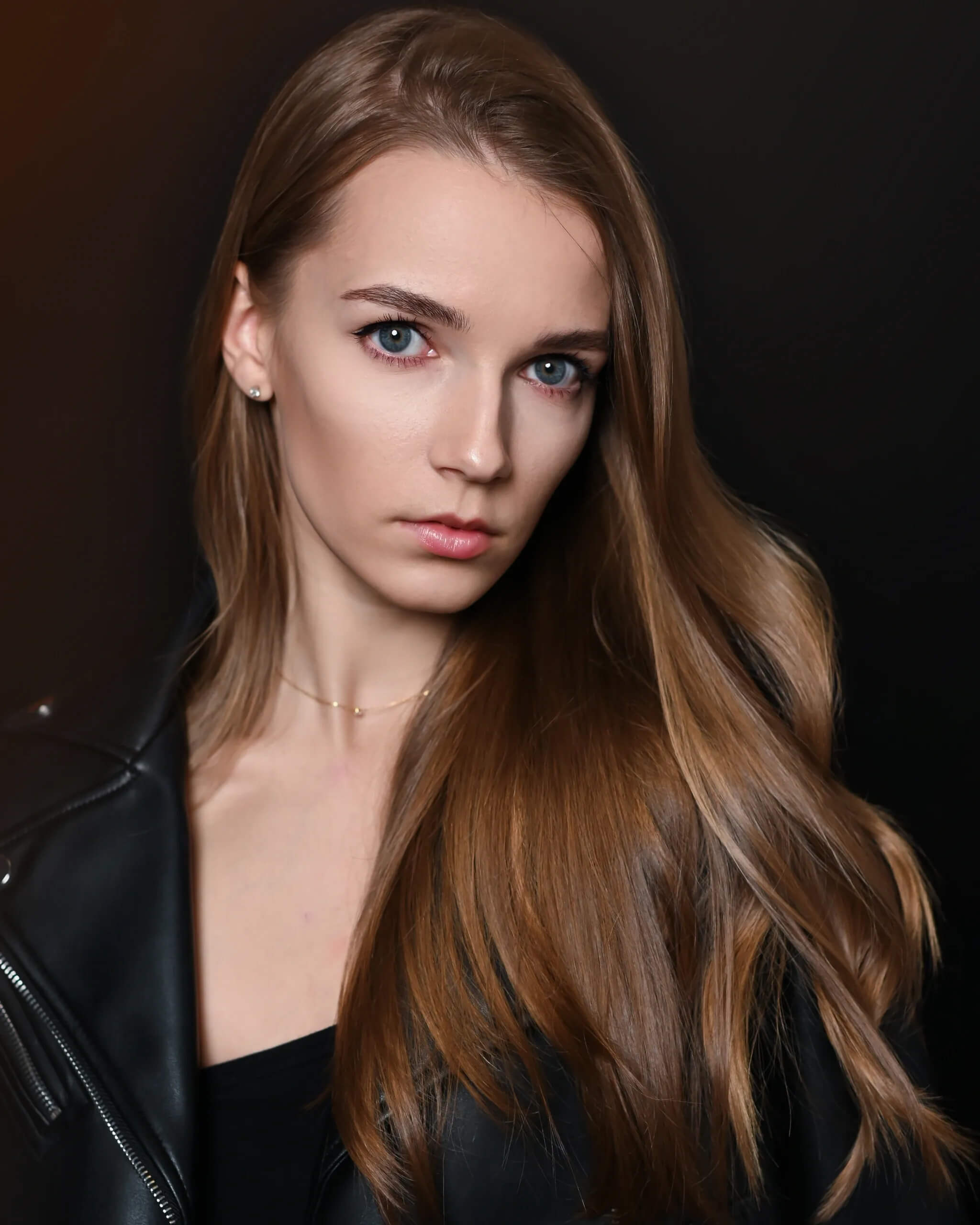
There’s this pressure — kind of quiet, but persistent — around headshots. Especially now. You need to look good without looking too pretentious. Approachable, but still impressive. Real, but, like, selectively real. It gets complicated fast.
We’ve been shooting in Los Angeles long enough to watch this shift happen in slow motion. Headshots used to aim for perfection. Smooth skin, controlled expression, a kind of corporate stillness that felt safe. Or for actors, something intense — almost performative. It worked until it didn’t.
Now, in 2026, that perfect look is starting to feel off. Not wrong exactly, but disconnected. Like a version of you that doesn’t fully exist outside the frame.
Authentic headshots aren’t about lowering standards. They’re about adjusting them. Slightly. Enough to let something human come through.
The End of the “Plastic” Retouch
There was a phase where retouching got aggressive. Skin blurred into something almost reflective. No texture, no variation. Clean, but also slightly unreal.
That approach is fading. Not disappearing, but stepping back.
Why Authenticity Wins on LinkedIn and Casting Networks
If you spend time on platforms like LinkedIn, you’ll notice a pattern. The profiles that feel engaging — memorable, even — aren’t the ones with flawless images. They’re the ones where the person looks present.
Same with casting platforms. Directors don’t want to guess what you look like in real life. They want a clear, honest reference point. Something that translates.
Authentic headshots perform better because they reduce that gap between expectation and reality. They align perception with experience. Which, from a branding standpoint, is kind of everything.
People trust what feels consistent. Even if they don’t consciously realize it.
Texture is King: Making Sure Skin Looking Like Skin
Skin has texture. It reflects light unevenly. It changes tone slightly across the face.
Removing all of that might seem like an improvement, but it flattens the image. Makes it less dimensional. Less believable.
In 2026, the goal isn’t to eliminate texture — it’s to manage it. Subtle adjustments, not complete erasure. A good headshot doesn’t hide detail. It organizes it.
Technical Secrets: How Studio Lighting Creates Depth
Lighting does more than illuminate. It shapes perception.
And in authentic headshots, lighting becomes the tool that balances realism with intention.
Catchlights and Eye Contact: The Window to Your Brand
There’s a reason photographers talk about eyes so much. They anchor the image. Everything else supports them.
Catchlights — those small reflections in the eyes — make them feel alive. Without them, the image can feel flat, even if everything else is technically correct.
Eye contact matters too. Direct, indirect, somewhere in between — it changes the narrative. A slight shift in gaze can move the image from approachable to introspective. Or the other way around.
Soft vs. Harsh Light: Which One Matches Your Industry?
Soft light smooths transitions. It’s forgiving. Widely used in corporate and lifestyle headshots.
Harsh light creates contrast. Defined shadows, sharper lines. It works well for creative industries, acting portfolios, anything that benefits from a stronger visual presence.
Neither is better. Just different.
Choosing the right lighting setup isn’t about preference — it’s about alignment. What fits your role, your industry, your goals.
Tips for a Relaxed, Authentic Session
There’s always a moment at the start of a session where everything feels slightly staged. Shoulders a little tight, expressions a bit too controlled.
That’s normal. It passes. But there are ways to get there faster:
- Don’t aim for a specific expression. It tends to look forced. Let it develop.
- Move slightly between shots. Stillness can read as stiffness.
- Think of the camera as a person, not a device. It changes how you engage.
- Wear something that feels familiar. Not experimental.
- Take breaks. Even short ones reset your posture and expression.
And maybe the most overlooked part — communication. Talk to your photographer. Adjust. React. The best images tend to happen mid-conversation, not during perfectly planned moments.
Finding Your “Comfort Angle”
Everyone has one. Or a few.
It’s not about hiding features — it’s about understanding how your face interacts with light and perspective. Small adjustments in angle can change the entire feel of a headshot.
This usually gets discovered during the session. Not before.
Communication with the Photographer
A session isn’t a performance — it’s a collaboration.
Feedback matters. If something feels off, say it. If something works, repeat it. The process improves in real time when communication stays open.
Silence tends to slow things down. Or worse, lock things into a direction that doesn’t quite fit.
Conclusion
A headshot is a small thing. One image. Maybe a few variations.
But it carries weight. It represents you in spaces where you’re not physically present. It sets expectations. It creates first impressions that are hard to reset.
So in 2026, the goal isn’t perfection. It’s alignment. An image that looks like you. On a good day. In the right light. With intention behind it.
Authentic headshots aren’t casual. They’re precise in a different way. And when they work, they don’t just look good — they feel accurate.
FAQ
What are authentic headshots?
Headshots that reflect your real appearance and personality, with minimal retouching and natural expression.
Why are authentic headshots important in 2026?
Because audiences — recruiters, casting directors, clients — value consistency between your image and real-life presence.
How much retouching is acceptable?
Light adjustments are fine. Removing temporary imperfections, balancing tones. But avoiding heavy smoothing that removes texture.
What should I wear for a professional headshot?
Clothing that reflects your role and feels natural to you. Neutral tones usually work best, but context matters.
Do I need a professional photographer?
Yes. Lighting, composition, and direction significantly impact the final result. Professional setups create depth that’s hard to replicate casually.