






Actor Headshots vs. Corporate Headshots: What’s Actually Different — and Why It Matters
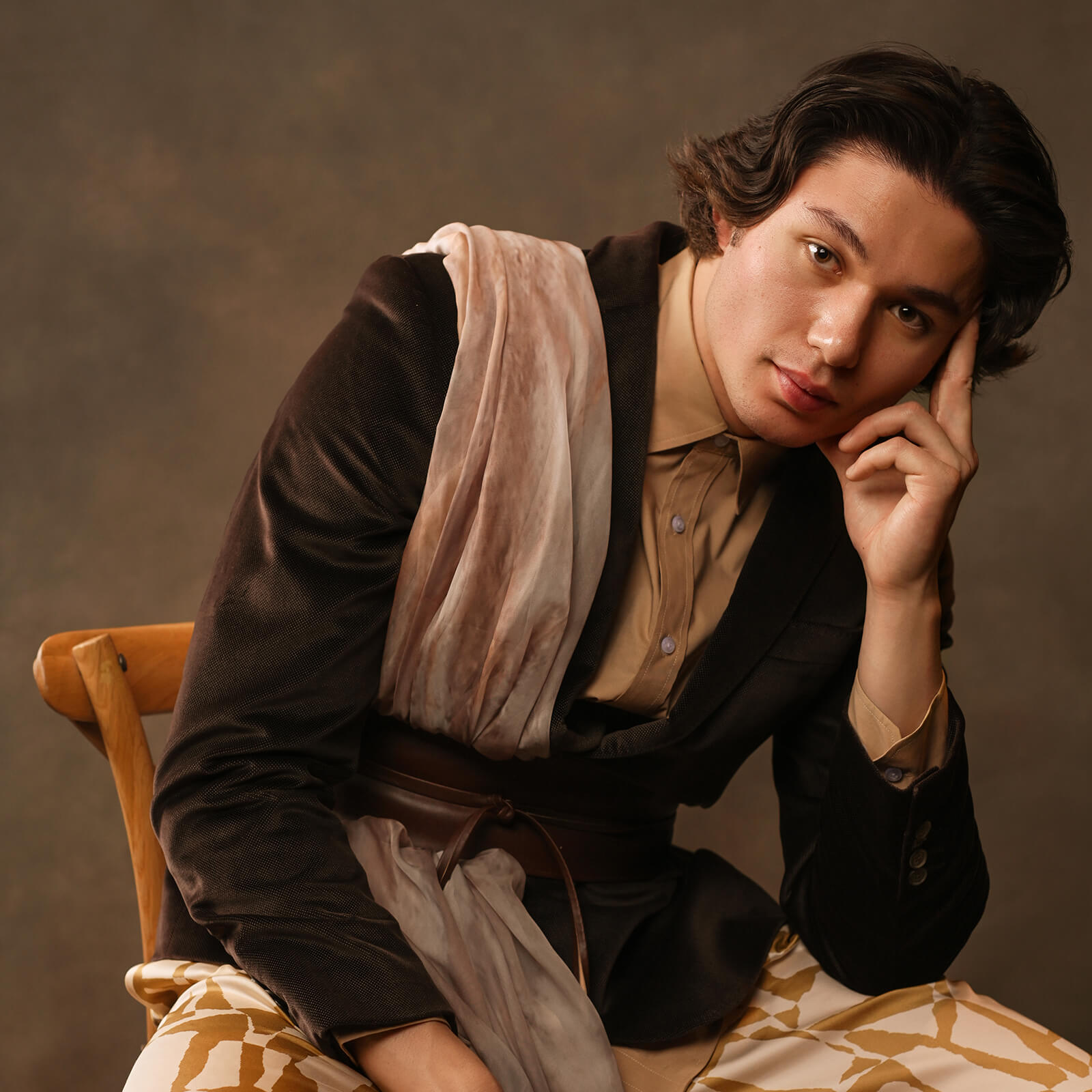
One of the strangest misconceptions in photography is that a headshot is a headshot. It isn’t. Not even close.
Sure, both photographs show your face. Both might be taken in the same studio. Sometimes they’re even photographed on the same backdrop. From twenty feet away they can look nearly identical.
And yet an actor submitting a corporate headshot to a casting director is making almost the same mistake as a lawyer submitting a theatrical headshot to a law firm’s leadership page.
The photograph is technically fine. The message is wrong. That’s the important part.
The conventions behind actor headshots Los Angeles professionals use and the conventions behind business portraits developed for entirely different reasons. Different audiences. Different expectations. Different outcomes. In one case you’re trying to get cast as somebody else. In the other, you’re trying to convince people you’re exactly who you claim to be.
Those goals pull photography in very different directions.
If you’re planning a session, browse our headshot services and corporate photography options before deciding which style fits your needs.
Key Takeaways
- Actor headshots are designed to communicate casting potential.
- Corporate headshots are designed to communicate trust, professionalism, and credibility.
- Lighting, expression, cropping, and retouching standards differ significantly.
- Using the wrong style can actively work against your intended audience.
- One session can often cover both needs with proper planning.
The Core Purpose Difference
This is where almost every other difference starts. Not with lighting. Not with camera gear. Purpose. Everything follows purpose.
What a Corporate Headshot Is Communicating
A corporate headshot is usually saying something like: “I’m professional. I’m qualified. You can trust me” Simple. Maybe not exciting, but simple.
The audience often includes:
- Hiring managers
- Potential clients
- Colleagues
- Media contacts
- LinkedIn connections
- Company website visitors
The goal is recognition and trust. Nobody hiring a financial advisor wants to wonder whether that person secretly belongs in a crime thriller.
At least usually.
The photograph should feel approachable, competent, and stable. Stable is underrated. Stable pays a lot of mortgages.
What an Actor Headshot Is Communicating
Actor headshots play a completely different game. They’re not trying to prove you’re trustworthy. They’re trying to suggest possibility.
A casting director isn’t asking: “Would I hire this person?” They’re asking: “Can this person convincingly become somebody else?”
That’s a very different question.
The audience includes:
- Casting directors
- Agents
- Managers
- Producers
The goal isn’t generic likability. The goal is getting called in for a specific role. A detective. A tech founder. A sitcom dad. A villain. The exhausted emergency room doctor who’s been awake for thirty-six hours.
Los Angeles casting offices make decisions remarkably fast. Sometimes a headshot gets only a few seconds of attention. That’s why theatrical headshots LA actors rely on need to communicate type almost immediately.
Lighting Differences
Lighting is where many people first notice a difference. Even if they can’t explain why.
Corporate Headshot Lighting — Even, Flattering, Safe
Corporate photography generally rewards consistency. Clean skin tones. Clear eyes. Predictable results.
Common approaches include:
- Softbox lighting
- Butterfly lighting
- Rembrandt lighting
- Large light modifiers
- Gentle shadow transitions
The goal is clarity. You shouldn’t be studying the lighting setup. You should be paying attention to the person. When corporate lighting works well, nobody notices it.
Actor Headshot Lighting — Directional, Mood-Aware
Actor lighting has more freedom. Not unlimited freedom. Nobody’s shooting horror-movie lighting for a commercial toothpaste audition.
But there’s more room to shape personality. More room for contrast. More room for atmosphere.
Different actor types often benefit from different lighting approaches:
- Commercial looks tend to stay bright and open
- Theatrical looks may introduce more shadow
- Character-driven looks sometimes become more directional
A little shadow can create intrigue. Too much creates confusion. The line between those two things can be surprisingly thin.
Expression and Direction
This might be the biggest difference of all.
Honestly, if you showed us a headshot and removed every technical clue, expression alone would often tell us which category it belongs to.
Corporate — Confident, Controlled, Approachable
Most corporate expressions occupy a relatively narrow range. That’s intentional.
Typical direction includes:
- Slight smile
- Relaxed jaw
- Direct eye contact
- Calm confidence
- Open posture
Intensity usually isn’t the goal. Neither is mystery. Nobody wants their accountant looking like they’re hiding classified information.
The expression should feel natural and accessible.
Actor — Range on Demand
Actors often leave with several completely different looks. Not different outfits. Different emotional signals. That’s the distinction.
A typical session may include:
- Commercial
- Theatrical
- Character-specific
- Dramatic
- Friendly and approachable
For actors, expression isn’t supporting the photograph. Expression is the photograph. Everything else serves it. We’ve watched actors change a casting type entirely with a subtle adjustment around the eyes. No wardrobe change. No lighting change. Just a shift in energy.
Photography gets weird sometimes.
Retouching Standards
This surprises people. Especially professionals who assume actor headshots are retouched more aggressively. Often they’re not.
Corporate — Clean but Natural
Corporate retouching usually focuses on presentation.
Common adjustments include:
- Temporary blemish removal
- Skin tone balancing
- Under-eye reduction
- Minor cleanup
Nothing dramatic. Ideally nobody notices retouching happened at all.
Actor — Minimal Retouching
Casting directors need to recognize actors when they walk into the room. That sounds obvious. Yet it’s remarkable how often people forget it.
Most actor retouching preserves:
- Skin texture
- Natural features
- Character lines
- Authentic appearance
Removing every pore might look impressive online. It won’t help when the casting director meets you in person.
Output and Usage Differences
The final deliverables usually look different too.
Corporate headshots often include:
- One to three final selections
- Square crops
- Horizontal crops
- Website-ready formats
- LinkedIn versions
Actor sessions usually produce:
- Multiple looks
- Multiple expressions
- Several wardrobe options
- Industry-standard 8×10 crops
The volume is different because the purpose is different.
Corporate professionals often need one excellent image. Actors often need several marketable versions of themselves.
Can One Session Cover Both?
Actually, yes. More often than people think.
Many clients in professional headshots North Hollywood sessions need both professional branding and entertainment-industry materials.
The key is planning ahead.
Typically this involves:
- Wardrobe changes
- Backdrop adjustments
- Lighting modifications
- Different expression coaching
- Separate image selections
At NoHo, the studio setup allows these transitions without turning the day into a six-hour marathon. Which everyone appreciates.
Book your headshot session today to discuss a combined actor and corporate workflow.
Conclusion
The mechanics overlap. The intent doesn’t. That’s really the entire article in one sentence.
A corporate headshot is trying to communicate trust, professionalism, and competence. An actor headshot is trying to communicate possibility, casting type, and character potential. The camera may be the same. The studio may be the same. Sometimes the photographer is literally standing in the exact same spot. But the photograph is solving a completely different problem.
Before your session, figure out what job the image needs to perform. Everything gets easier after that.
FAQ
What is the difference between actor headshots and corporate headshots?
The primary difference is purpose. Actor headshots are designed for casting decisions, while corporate headshots focus on professionalism, credibility, and trust.
Can I use actor headshots for LinkedIn?
You can, but it’s often not ideal. Actor headshots may feel overly dramatic or character-focused for professional networking platforms.
How many looks should I plan for an actor headshot session?
Most actors benefit from multiple looks that represent different casting types, expressions, and wardrobe options.
What should I wear for a corporate headshot vs. an actor headshot?
Corporate headshots typically favor professional business attire. Actor headshots generally use clothing that supports casting type without becoming distracting.
How long does a combined actor/corporate headshot session take?
Most combined sessions take longer than a standard headshot appointment because they involve wardrobe changes, lighting adjustments, and multiple image objectives.